
Learning Center
Knowledge is a powerful tool in the fight against vision loss. The Retina Research Foundation of America is committed to not only advancing cutting-edge research but also providing clear, accessible educational resources to help individuals, families, and donors navigate the complexities of retinal diseases. Whether you're seeking to understand the anatomy of the eye, explore the latest treatments, or access support services, our Learning Center is here to empower you with the information you need to make informed decisions and support the future of vision research.
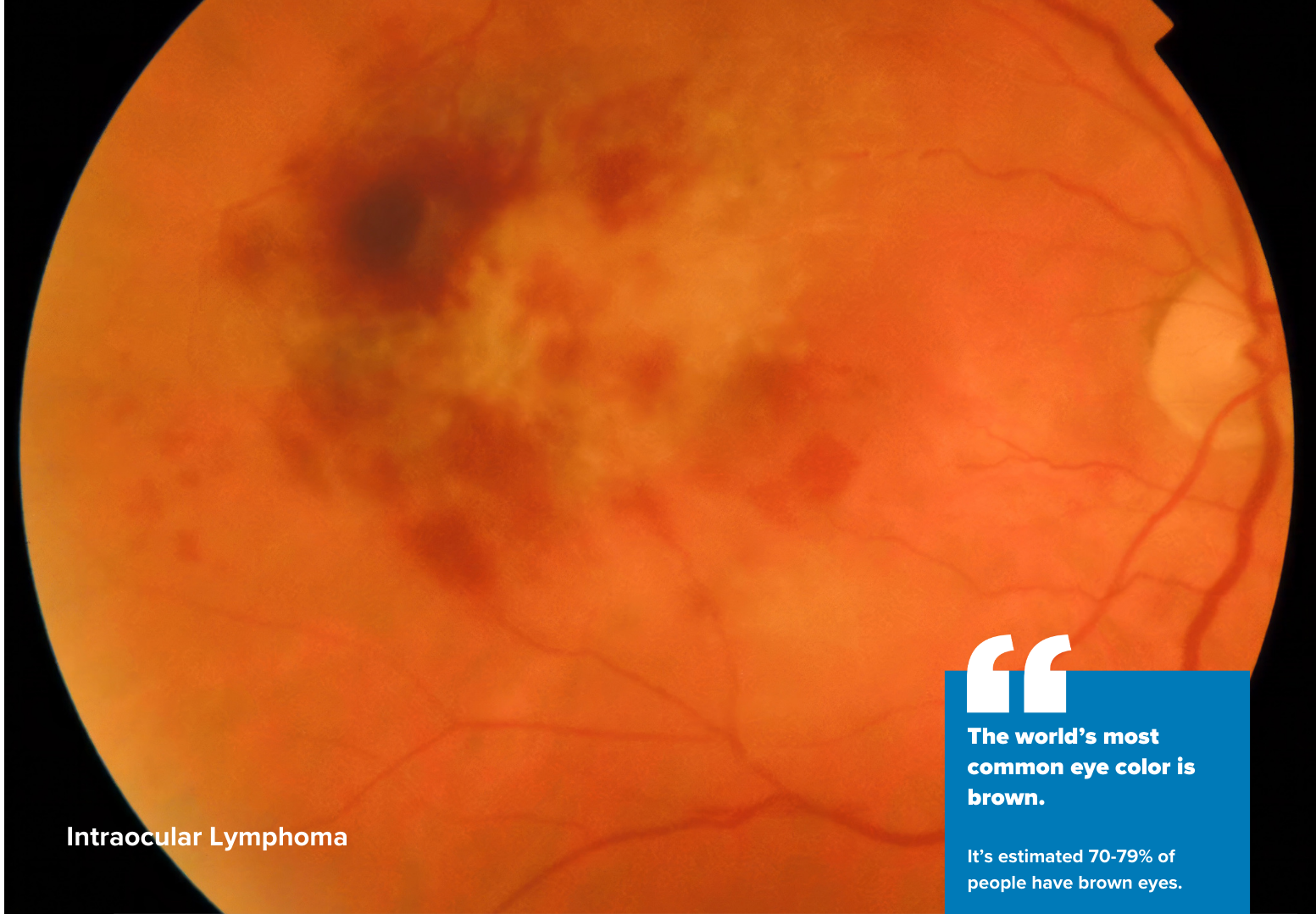
The Anatomy of the Eye
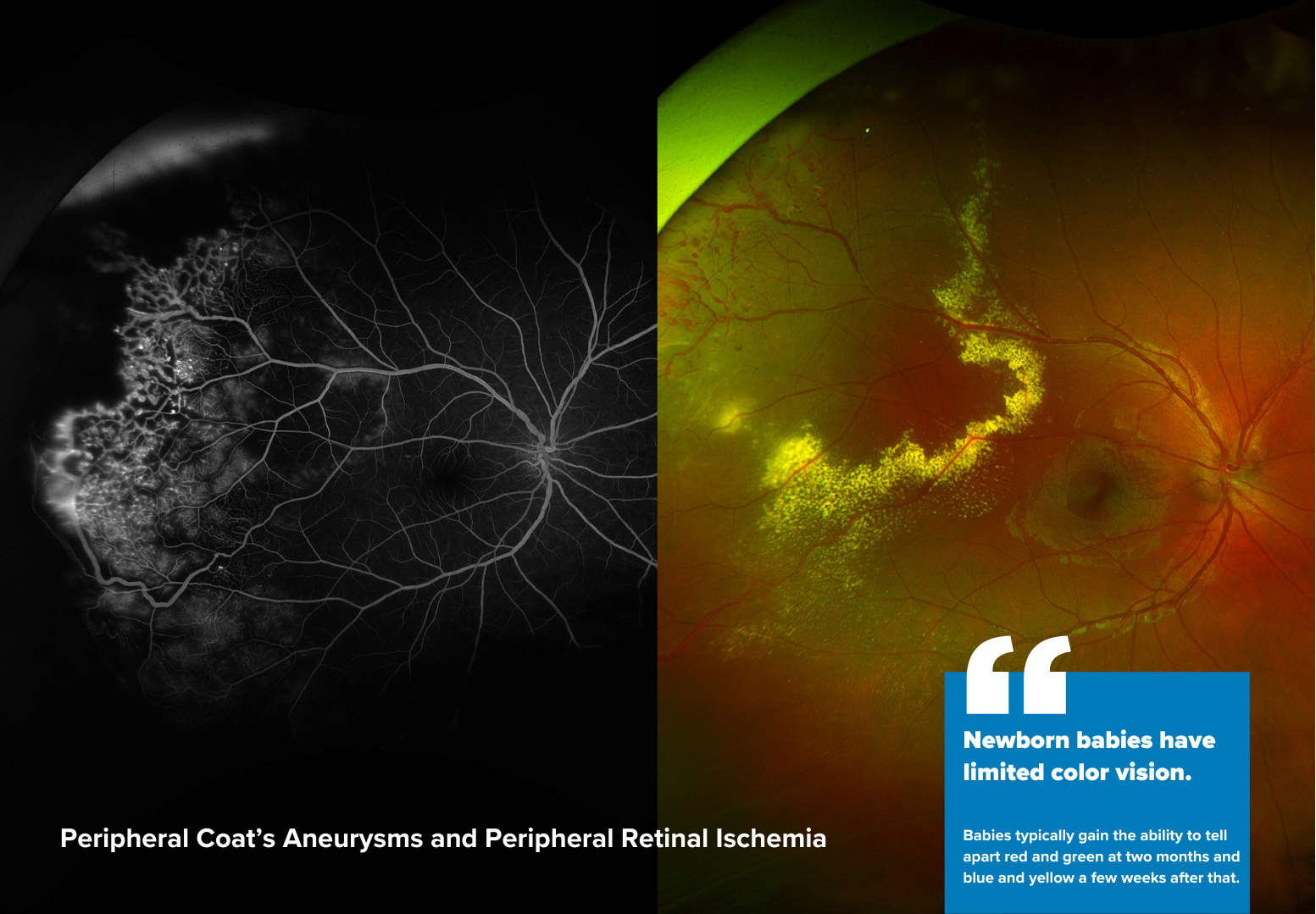
Ever wonder how do your eyes see?
Old fashioned film cameras were created to mimic how we see, the only difference is they recorded the picture on a piece of paper and we record these images in our heads. Your eyes work just like a camera. The surface of the eye called the cornea is just like a camera lens, both focus on the incoming light to create an image.
The retina is a thin layer of nerve tissue much like camera film and it is light sensitive and located in the back of the eye. The rod and cone cells in the retina transform the rays of light into electrical signals.These electrical signals generated in the retina, are transmitted through the optic nerve to the brain where images are formed and interpreted. The center of the retina is called the macula. This is where the light focuses and it is the area that is responsible for sharp vision and small details like reading.
Multiple diseases affect different parts of the eye and cause decreased vision. For example, when people talk about cataracts, it is an example of a disease that is caused by cloudiness of the natural lens. Cataracts can be treated with surgery which will improve the person’s vision.
There are a myriad of diseases which affect the retina. Some of these retinal diseases are:
📍Click the + sign to learn more
-
Macular degeneration has multiple contributing causes:
Age
Smoking
Family history of macular degeneration.
Macular degeneration occurs when small deposits accumulate in the macula and cause mildly blurred vision.
There are two forms of macular degeneration that can cause severe vision loss.
Wet macular degeneration is the condition when blood vessels form in the center of the retina and cause reduced vision.
Dry macular degeneration or geographic atrophy is when areas of degeneration enlarge over time, which can contribute loss of the central vision. The disease causes loss of patches of cells that eventually turn into blind spots. If these spots grow into the center of the vision, the person afflicted will have a hard time reading.
Treatment:
Wet macular degeneration can be treated with injection of a medication into the eye to reduce leakage of the blood vessels. The goal of the treatment is to improve and stabilize the vision.
In the past Macular Laser Treatment used to be the standard treatment, however, studies have shown that it is less effective than an injection of medication into the eye.
There are multiple medications that are affective in reducing the leakage of the retinal vessels. The most commonly used medications for wet macular degeneration are Avastin (bevacizumab), Lucentis (ranibizumab), Eylea (aflibercept), and Vabysmo (faricimab).
-
One of the potential side effects of uncontrolled diabetes, with the person having elevated blood sugar for an extended time, can be diabetic retinopathy. If this occurs, the blood vessels in the retina start to leak and bleed.
Swelling of the center of the retina is called diabetic macular edema and can result in blurred vision. Abnormal retinal vessels then bleed into the eye, and cause visible floaters, otherwise known as dark spots in the vision that move around. This can lead to reduced vision.
Additionally, growth of new retinal vessels can pull off the retina from the eye wall and cause a retinal detachment and severe vision loss.
Treatment: There are several treatment options for diabetic retinopathy.
Injections into the eye decrease retinal swelling, growth and leakage of the retinal vessels. Avastin (bevacizumab), Lucentis (ranibizumab), Eylea (aflibercept), and Vabysmo (faricimab) can be used.
Diabetic retinopathy with inflammation can be treated with steroids including Triesence (triamcinolone), Ozurdex (dexamethasone), and Iluvien (fluorocinolone).
Laser of the macula and peripheral retina can reduce swelling and growth of retinal blood vessels. In severe cases diabetic retinopathy, retinal surgery is the best treatment.
-
Retinal diseases that are caused by defects in a single gene are called inherited retinal disease. These conditions can sometimes be passed on from one generation to the next. There are over 300 different genes that can cause retinal disease.
Some genes can cause a similar disease appearance with retinitis pigmentosa as an example. In other cases, one single gene can have a different disease process depending on which defect is present in the gene.
A genetic defect is called a mutation. Some inherited retinal disease start early in life and other cause decreased vision with time. Certain condition cause decreased night vision and constricted peripheral visual field, and other conditions cause reduced central vision. There are several groups of inherited retinal diseases.
-
Inside your eye, there’s an area called the retina and it’s job is to help you see things clearly. The retina has special cells called rods and cones. Rods help you see in a dim or darker light, and cones help you see colors and details.
So if your eye is like a puzzle, and the pieces of the puzzle are tiny cells in your retina. These cells are what help you to see. In Retinitis Pigmentosa, these puzzle pieces start to break and change and as these puzzle pieces change, it’s similar to having parts of a jigsaw that don’t fit together anymore.
The outcome is when you look at something, some parts of the picture might be missing or not clear. It’s like trying to complete a puzzle with some pieces that are broken or lost.
People afflicted with Retinitis Pigmentosa might notice that their vision gets worse over time. They might have trouble seeing in the dark or in dimly lit places. Their side vision may also become narrower, like looking through a tunnel.
-
Imagine that your eye is a camera that takes photos of everything you see. Inside of it, there’s a special part called the retina and it is similar to the film in the camera. The retina’s job is to help a person see clearly.
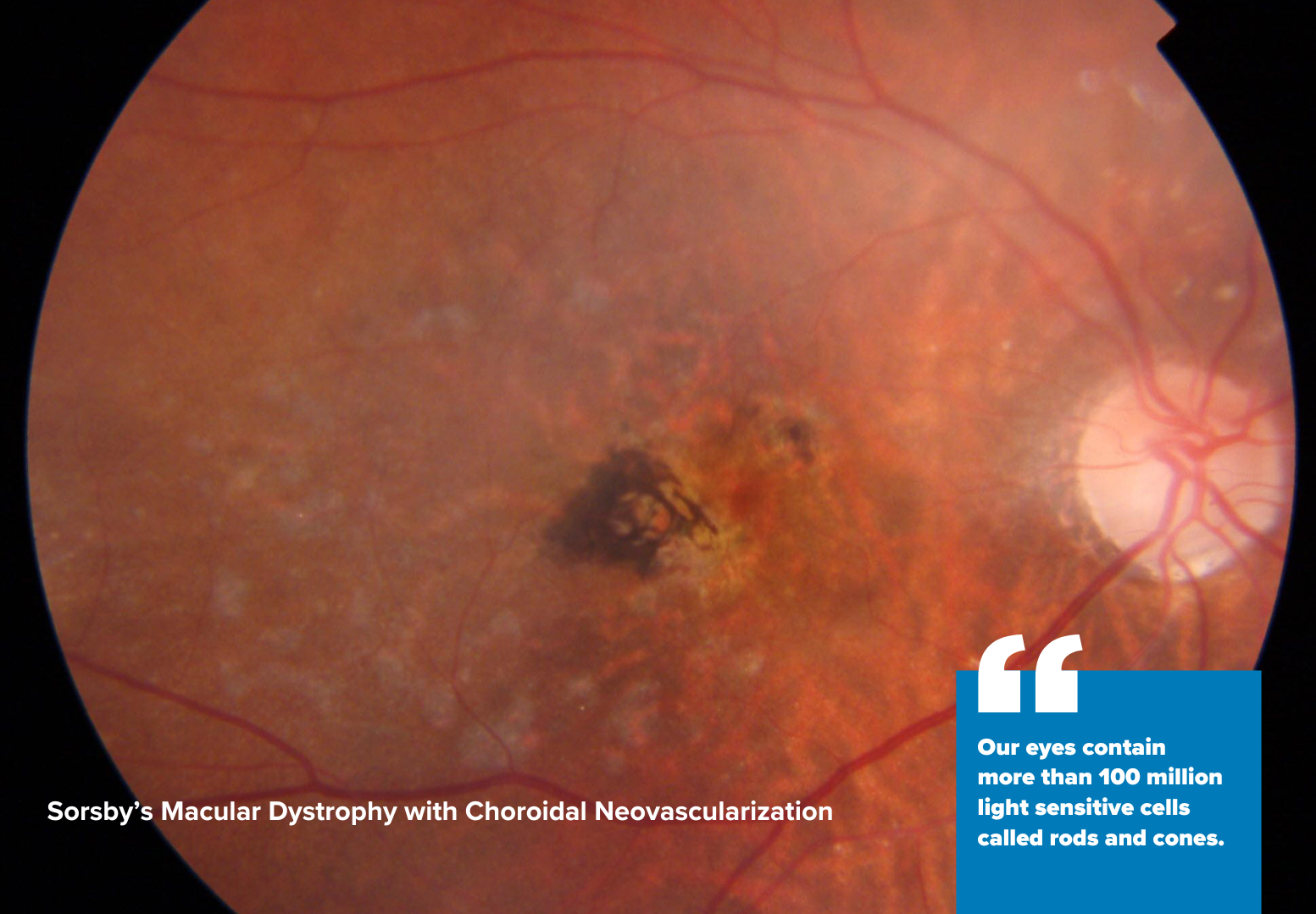
The macula is like the center of the camera’s film, and it helps you see details, like when you’re reading a book or looking at someone’s face. But in Stargardt macular dystrophy, something is not working properly with the macula. It’s similar to if the film in a camera got messed up, and the pictures turned out blurry or dark.
People with Stargardt macular dystrophy might have trouble seeing things in the center of their vision, but they can still see things on the sides. It’s kind of like having a smudged spot in the middle of your picture.
Stargardt macular dystrophy is something you’re born with, and it usually happens when a special part of your eye doesn’t work right. There’s no cure for it yet, but researchers are hoping to find a cure and to find ways to help people with this disease see better.
Understanding Clinical Trials: How They Work & Why They Matter
What Are Clinical Trials?
Clinical trials are research studies that test new treatments, medications, or therapies to determine their safety and effectiveness in treating diseases. They are essential for developing better treatments for retinal diseases and bringing innovative therapies to patients.
The Phases of a Clinical Trial:
Preclinical Research – Scientists test new treatments in the lab before trying them on people.
Phase 1 – Focuses on safety by testing the drug or treatment on a small group of participants.
Phase 2 – Examines effectiveness and determines the best dosage while monitoring side effects.
Phase 3 – Expands testing to a larger group to confirm its benefits and compare it to existing treatments.
Phase 4 – After approval, researchers continue to study long-term effects and effectiveness.
Why Clinical Trials Matter for Retinal Diseases
Many retinal conditions have no cure, and clinical trials help researchers find new ways to prevent, slow, or reverse vision loss. By participating, patients can access cutting-edge treatments before they are widely available.
How to Get Involved
If you're interested in joining a trial:
Talk to your eye doctor to see if you're a candidate.
Search for active clinical trials at ClinicalTrials.gov.
Learn about the informed consent process and your rights as a participant.
Vision Preservation & Eye Health
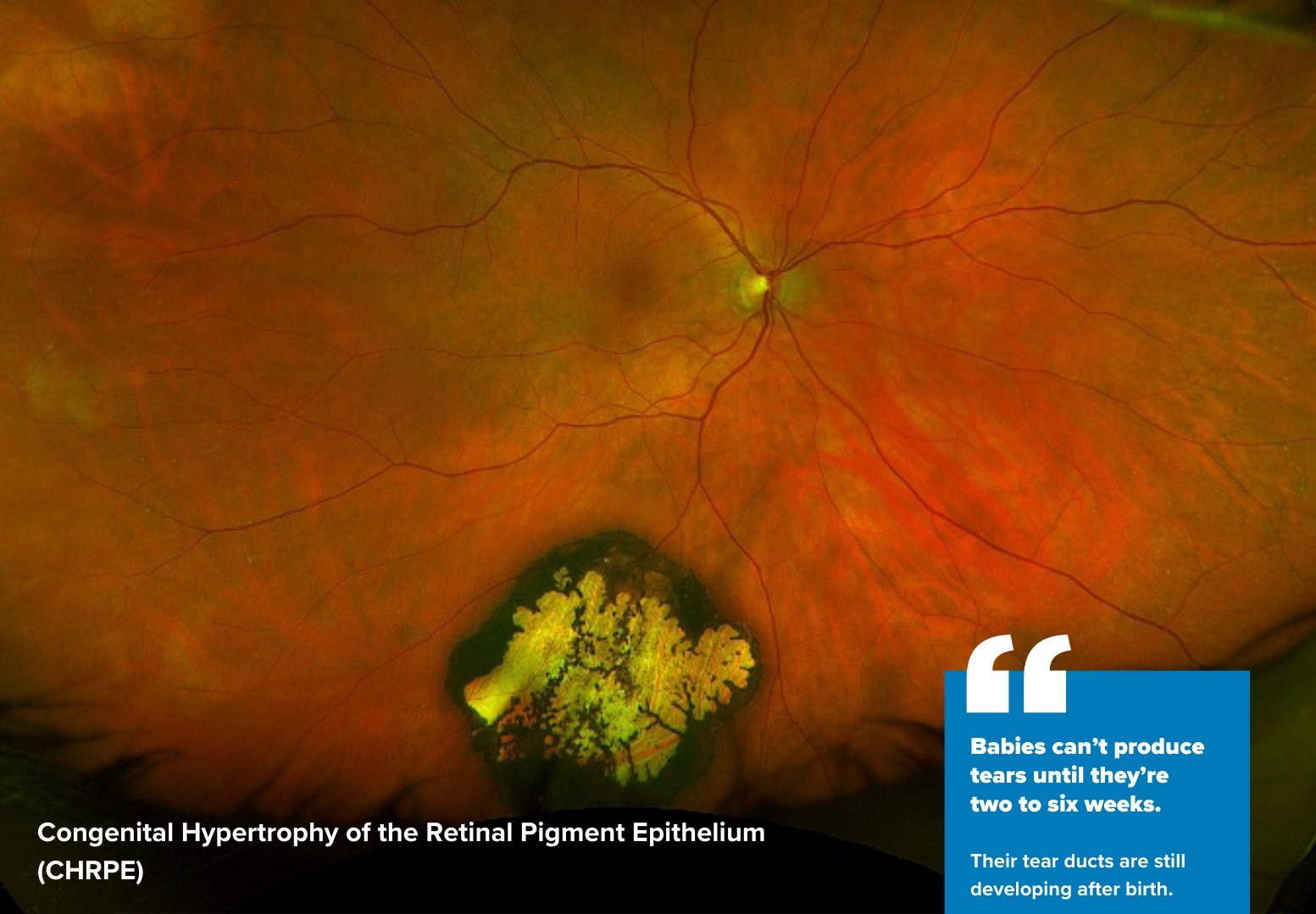
Protecting Your Vision: Everyday Habits That Matter
Your eyesight is one of your most valuable senses, and while some retinal diseases are genetic, there are many proactive steps you can take to protect and preserve your vision.
Key Steps for Healthy Eyes
👓 Get Regular Eye Exams – Routine eye check-ups can detect early signs of retinal diseases like macular degeneration, diabetic retinopathy, and glaucoma before symptoms appear.
🥦 Eat a Nutrient-Rich Diet – Foods high in antioxidants, omega-3s, and vitamins support eye health. Great options include:
Leafy greens (spinach, kale) for lutein and zeaxanthin.
Fish (salmon, tuna) for omega-3 fatty acids.
Citrus fruits (oranges, lemons) for vitamin C.
🕶️ Wear Sunglasses with UV Protection – UV rays can damage your retina and contribute to macular degeneration. Choose sunglasses that block 100% of UVA & UVB rays.
💡 Use Proper Lighting – Avoid eye strain by using well-lit environments for reading and screen use.
🚴 Stay Active & Maintain a Healthy Weight – Diabetes and high blood pressure increase the risk of retinal diseases. Regular exercise and a healthy diet help prevent these conditions.
🚭 Avoid Smoking – Smoking damages blood vessels in the eyes, increasing the risk of cataracts and macular degeneration.
💻 Follow the 20-20-20 Rule – If you spend long hours looking at screens, take a 20-second break every 20 minutes by looking at something 20 feet away to reduce eye strain.
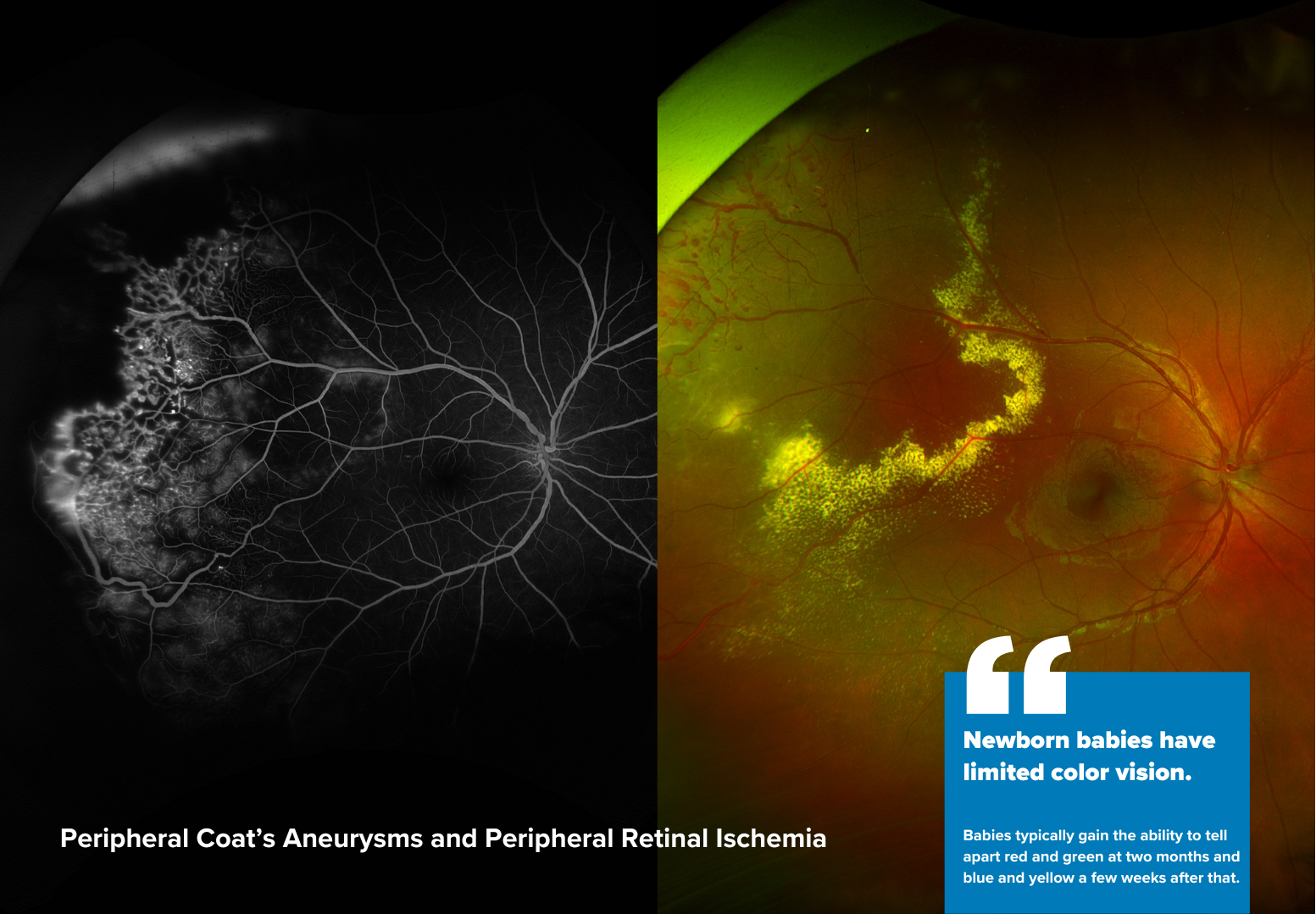
Genetic Testing & Retinal Diseases
Understanding the Genetic Link to Vision Loss
Many retinal diseases are inherited, meaning they are caused by gene mutations passed down through families. Genetic testing can help identify these mutations and provide insight into risk factors, disease progression, and potential treatments.
What Retinal Diseases Have a Genetic Component?
🧬 Retinitis Pigmentosa (RP) – A progressive disease that causes night blindness and tunnel vision.
🧬 Stargardt Disease – An inherited form of macular degeneration that leads to central vision loss in children and young adults.
🧬 Leber Congenital Amaurosis (LCA) – A severe condition that causes vision impairment from infancy.
🧬 Usher Syndrome – A combination of hearing loss and progressive vision loss caused by gene mutations.
How Genetic Testing Works
Genetic testing involves a simple saliva or blood sample that is analyzed for mutations linked to retinal diseases.
Who should consider testing?
✅ Individuals with a family history of retinal disease.
✅ People experiencing early vision loss with no known cause.
✅ Those interested in participating in clinical trials for gene therapy.Why Is Genetic Testing Important?
✅ Helps with early diagnosis and personalized treatment plans.
✅ Identifies candidates for gene therapy trials, which are developing cutting-edge treatments.
✅ Provides family members with insight into their own risk factors.
Interested in genetic testing? Speak with a retina specialist or genetic counselor to learn more about your options!
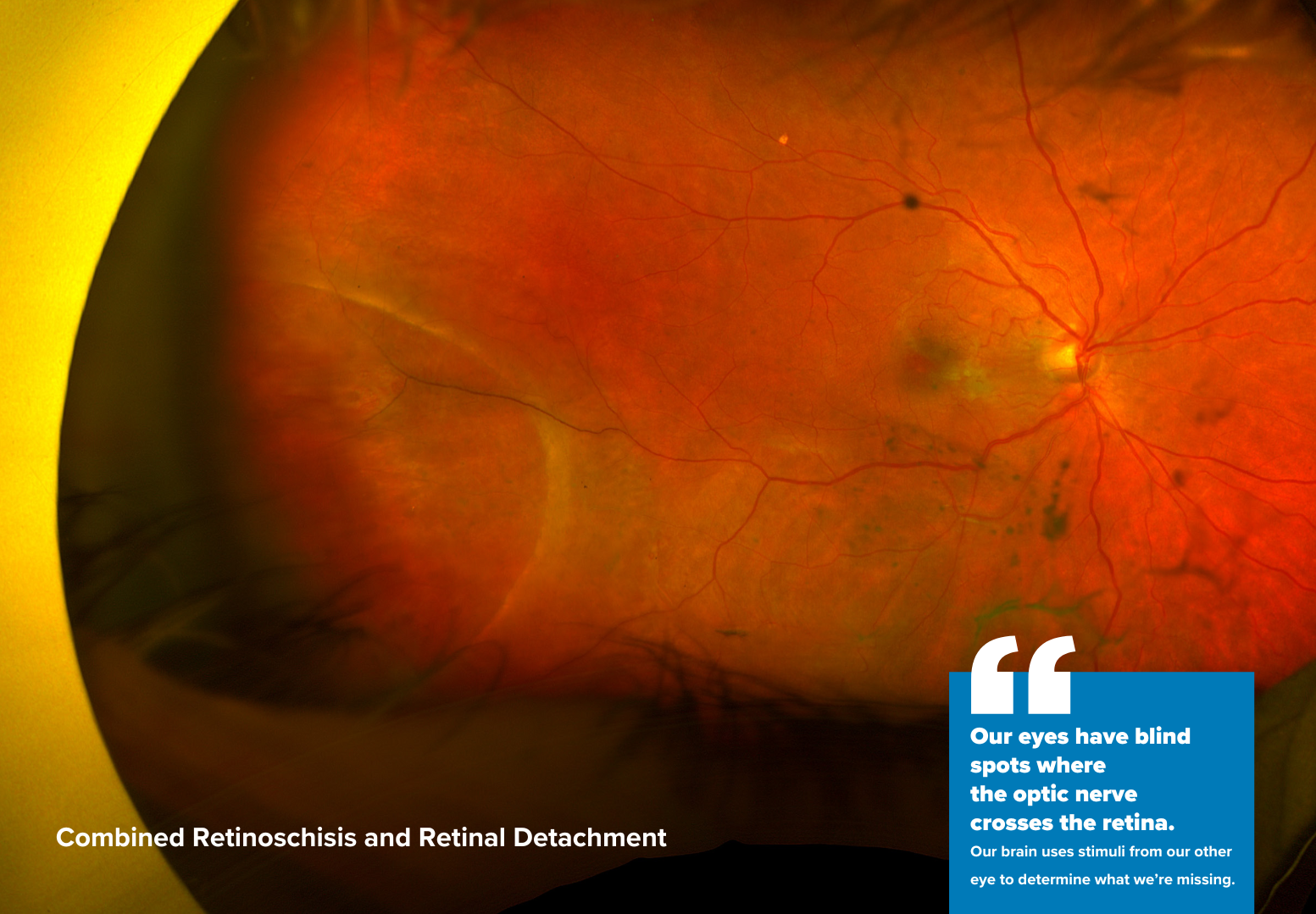
Innovations in Retinal Research
Pioneering Treatments for Retinal Diseases
Thanks to ongoing research, scientists are making groundbreaking discoveries in how to treat and potentially cure retinal diseases. Here are some of the most promising advancements shaping the future of vision care:
🔬 Gene Therapy: Fixing the Root Cause
Gene therapy is one of the most exciting breakthroughs in retinal research. By correcting faulty genes, scientists can slow, stop, or even reverse certain inherited retinal diseases.
✅ Luxturna™ – The first FDA-approved gene therapy for Leber Congenital Amaurosis (LCA) has restored vision in some patients.
✅ Ongoing trials are testing gene therapy for Retinitis Pigmentosa (RP) and Stargardt Disease.
🦠 Stem Cell Therapy: Regenerating Damaged Retina Cells
Scientists are using stem cells to grow new retinal cells and transplant them into patients with vision loss.
✅ Researchers have successfully transplanted stem cell-derived retinal cells into patients with macular degeneration, showing promising results.
✅ In the future, stem cell therapy could reverse vision loss in conditions like geographic atrophy.
🤖 AI & Imaging Technology: Detecting Disease Earlier
Artificial intelligence (AI) is revolutionizing early detection of retinal diseases.
✅ AI-powered imaging tools can detect diabetic retinopathy and macular degeneration before symptoms appear.
✅ Some systems are now FDA-approved for automatic screening, improving early diagnosis and treatment.
Subscriber to our newsletter.
Signing up for our quarterly newsletter keeps you informed on:
✅ The latest updates on clinical trials and their progress.
✅ New advancements in retinal disease research.
✅ Exclusive insights from Dr. Benjamin Bakall, RRFA's founder and a leader in retinal research.
📅 Upcoming Events
💡 Be the first to know how your support is making an impact.